



How To Study Abroad In Korea in 2026
by Jessie Chambers 2 years ago
10 MIN READ
South Korea isn't what you expect. You think you're going to experience K-pop and technology, ultra-modern cities and the skincare treatments you've been dreaming of, and you're not entirely wrong. But what actually happens is way more than that. You find yourself eating incredible Korean BBQ at midnight with mates from ten different countries, hiking through mountains with temples tucked into valleys, and stumbling into one of the most infamous underground clubs at three in the morning. You're experiencing a culture that's somehow simultaneously thousands of years old and bursting with cutting-edge lifestyle vibes, and it will likely blow your mind every single day you're there.
South Korea is a study-abroad destination that genuinely changes how you see the world. Whether you're here to earn seriously whilst working as an English teacher (we're talking actual salary, not just pocket money), experience a culture that's unlike anything else, learn Korean properly through immersion, explore temples and mountains alongside mega-cities, dive into K-pop and gaming culture from the inside, or simply want to live somewhere that feels absolutely electric, South Korea delivers on all fronts. The education is world-class, the opportunities are expansive, the lifestyle is incredible, the food will change you forever, and the people are some of the most welcoming you'll ever meet.
This guide walks you through everything you need to know: choosing a South Korean university, navigating visas and costs without losing your mind, understanding the scholarship landscape, and building work experience whilst you're there. We'll also show you the Global Work & Travel options that let you combine teaching English with cultural immersion, earning actual money whilst you do it, which fundamentally changes everything about the experience.
Why Study in South Korea?
You might think studying in South Korea is just about education. That's only half the story. This is the place where you get world-class universities and the chance to earn a decent buck or two.
Here's what actually makes South Korea different:
Universities That Compete Globally
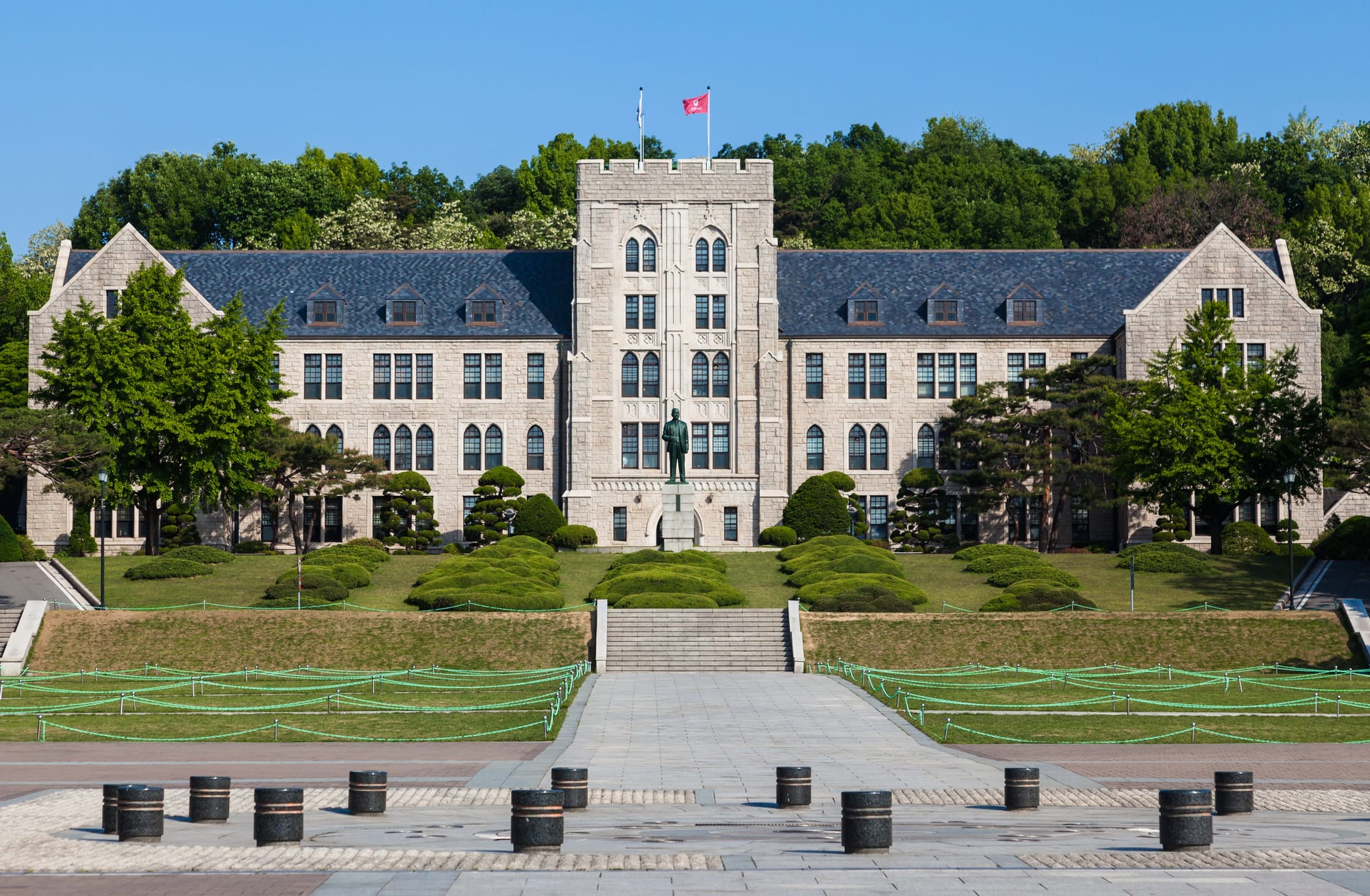
South Korea is home to some of Asia's most prestigious institutions, including Seoul National University, Korea University, Yonsei University, and KAIST (Korea Advanced Institute of Science and Technology), and these aren't just good universities within Asia but are globally recognised leaders, particularly in technology, engineering, and business fields. Employers worldwide respect South Korean degrees, and if you're studying something like computer science, engineering, or business, you're positioning yourself in one of the world's best locations for that education.
You'll Become Fluent
Korean isn't an easy language with its different alphabet, unique grammar structure, and entirely different approach to communication, but living in South Korea forces you to learn it properly. Your classes are taught in Korean, your daily life operates in Korean, and your mates are speaking Korean around you, which means you'll arrive struggling with basic interactions and leave months later holding actual conversations with ease. The immersion accelerates the process far beyond what you'd expect, and because you're living it rather than just studying it, the fluency sticks.
The Technology Is Revolutionary
South Korea boasts some of the fastest internet in the world alongside cutting-edge technology at every turn, making Seoul feel like you've stepped into the future, and if you're studying technology, engineering, or anything where innovation matters, you're surrounded by it constantly. You're not just studying theory in a classroom but actually living in a place where the technology you're learning about is being actively built, deployed, and used by real companies, which means a tech-focused student has access to the hub where it's all happening.
The Culture is Alive
This isn't heritage tourism or dusty museum exhibits but rather a culture that's thriving and evolving in real time, where K-pop isn't just music but a cultural phenomenon you can experience directly, gaming culture is massive and woven into everyday life, temples are actual places where monks still live and practice their traditions, and food is central to social life and community. You're not studying culture from a textbook or through filtered tourist experiences but genuinely living it alongside locals who are actively participating in it.
The Earning Potential is Real
If you're working as an English teacher whilst studying or after graduation, salaries in South Korea are solid, with full-time teaching positions offering between $1,500 and $1,750 USD monthly, and schools often cover accommodation costs and flight reimbursement for longer contracts on top of that. This isn't just pocket money to supplement your parents' support but actual income that lets you save money, travel across Asia on weekends, and live comfortably whilst funding your own studies.
It's Affordable
Tuition fees are significantly lower than Western universities, living costs are manageable if you're strategic about where you live and how you spend, and the earning opportunities through teaching or part-time work mean you can fund your own studies entirely. Many students arrive with limited savings and actually leave having built up money in the bank after paying for their degree, which fundamentally changes the entire experience of studying abroad.
Step 1: Choose Your Studies
South Korea offers genuine options across the board. Here's what you're working with:
Public Universities: The Prestige
Seoul National University and KAIST These are the names that carry weight globally. Research-focused, academically rigorous, often have excellent international courses. Slightly lower fees than private universities. Strong reputations in STEM fields particularly.
Private Universities: The International Push
Korea University, Yonsei University, Sogang University, Hongik University. These actively recruit international students, often have extensive English-taught courses, sometimes offer better internship and networking opportunities. Higher fees than public universities, but increasingly comprehensive international support.
Specialised Institutions
South Korea has schools focused on arts, music, animation, game design, film. If you're interested in creative fields, there’s a range that’s suited for all sorts of specialities. This is the place to study game design, animation, or film if that's your passion.
Step 2: Understand the Actual Costs
South Korea is affordable compared to Western countries, but understanding costs properly matters:
Tuition Fees
- Public Universities: ₩4,000,000–6,000,000 (approximately £2,300–3,500 / $2,900–4,400) per semester for international students
- Private Universities: ₩6,000,000–9,000,000 (approximately £3,500–5,200 / $4,400–6,600) per semester
- English-taught courses: Often on the higher end of the range
Cost of Living (Monthly)
- Seoul: ₩1,200,000–1,600,000 (approximately £700–930 / $880–1,170)
- Secondary Cities (Daejeon, Gwangju): ₩900,000–1,200,000 (approximately £520–700 / $660–880)
- University Dormitory: Often significantly cheaper than renting independently
Additional Costs
- Health insurance: we have travel cover to ensure your possessions are covered
- Textbooks and materials: Variable, but budget a few hundred pounds per semester
- Travel: Budget for exploring South Korea
Real Talk
South Korea is doable on a student budget, especially if you live in university accommodation and are strategic about food and entertainment. Plus, part-time work is possible, and English teaching pays well enough to cover costs entirely. Many students arrive with limited funds and actually save money by the time they graduate.
Step 3: Explore Scholarships
South Korea takes scholarships seriously. Options exist:
Korean Government Scholarship (GKS)
Prestigious, competitive, covers full tuition plus monthly living stipend plus airfare. If you're academically strong, absolutely apply. The process is rigorous but the payoff is massive.
University Scholarships
Most South Korean universities offer their own scholarships for international students, based on merit or financial need. Check with your target university's international office directly. Sometimes there's actual money available.
Private Organisation Scholarships
Various companies and foundations offer scholarships, particularly in STEM fields or to students from specific countries. Worth researching based on your background.
Employer Sponsorships
Some companies sponsor study in exchange for work commitment after. If you're considering teaching English or working in tech, this is worth exploring.
Step 4: Get Your Student Visa Sorted
The D-2 Student Visa
This is what you need for university study in South Korea.
What You'll Need
- Acceptance letter from your university
- Proof of financial capacity (bank statements, scholarship letters)
- Health insurance documentation
- Valid passport
The Process
- Get your acceptance letter
- Gather your documents
- Apply at your nearest South Korean embassy or consulate
- Typically takes 4–8 weeks (sometimes faster)
Pro Tips
- Don't wait. Apply as soon as you have your acceptance letter.
- Processing times vary by country. Check your specific embassy's timeline.
- Some countries require visa interviews; some don't.
EU/UK Citizens Note
If you're from the UK or EU, you typically get 90 days visa-free entry, but for study longer than this, you need a student visa anyway.
English Teaching & Working Holiday Opportunities: Global Work & Travel Trips
Teach English in South Korea (TESOL Course Included, Flight Reimbursement)
Who It's For
Anyone 20–45 with a bachelor's degree from an eligible country. This opens legitimate English teaching positions in South Korea that actually pay properly.
What You're Getting
- 120-Hour TESOL Certification Course: Completed online in 4 weeks, internationally recognised. You're doing this before or alongside your teaching job.
- Guaranteed Job Match: Once you've completed your TESOL course, Global arranges interviews and matches you with a teaching position. You know your job before you arrive.
- Flight Reimbursement: Up to $700 USD reimbursement from your school to offset flight costs (for 12-month contracts).
- Accommodation Covered: Your school pays for your accommodation entirely. This is massive. You don't pay rent.
- Medical Insurance: Covered by your school.
- Cultural Activities: During your first weeks, you get cooking classes, Taekwondo lessons, guided tours of major sites.
The Money Reality
Full-time teaching positions pay ₩1,500,000–1,750,000 monthly ($1,500–1,750 USD) for 12-month contracts. Your school pays accommodation. You get flight reimbursement. Medical insurance is covered. You can legitimately save £500–600 monthly (or more if you're careful).
Duration: 1 month (just TESOL course) or 6–12 months (TESOL course plus teaching position)
- This is legitimately cheaper than the working holiday option, AND you're earning more money through teaching.
Best For
- Anyone with a bachelor's degree who wants legitimate teaching work
- People wanting to earn seriously whilst living abroad
- Those seeking a more formal teaching role with better pay
- Anyone combining the TESOL certification with career development
Best Cities and Locations to Visit, Explore and Live
Seoul: The Electric Capital
The epicentre of K-pop culture, tech innovation, and nightlife that doesn't stop. Living in districts like Gangnam or Hongdae means you're at the heart of everything that matters in Korea.
Your days unfold across a city that never sleeps. You'll spend afternoons in libraries and cafes that feel more like luxury lounges, explore Bukchon Hanok Village's traditional streets, and find yourself bar hopping in Itaewon where everyone congregates or catching live music in Gangnam's underground venues. Weekends blur into shopping in Myeongdong, temple visits, and gaming cafes tucked into every neighbourhood. The pace here is relentless and exhilarating. Innovation surrounds you constantly, the food scene is world-class, and you'll never run out of things to do. Seoul feels like the future, and living here means you're constantly discovering new spots, new experiences, and new layers to the city.
Busan: Coastal Culture and Real Charm
Get everything a major city offers without Seoul's overwhelming intensity. Beaches, mountains, genuine local culture, and a welcoming vibe that makes you feel genuinely at home from day one.
Your rhythm here feels more balanced and sustainable. Evenings bring laid-back beachfront bars in Gwangalli or underground clubs if you're after proper nightlife, and weekends become island-hopping adventures to nearby Geoje Island or hiking expeditions up Geumjeong Mountain. The cost of living is noticeably lower than Seoul, which means you can actually afford to live well and save money simultaneously. The food scene rivals the capital's, weekend beach trips and mountain hikes are part of your regular lifestyle rather than special occasions, and locals are genuinely welcoming to people who want to be part of their community. You'll find yourself actually integrating into neighbourhoods rather than passing through as a tourist.
Daegu: Authentic Korea Away from the Spotlight
Large enough to have everything you need but small enough that you'll actually belong to the community rather than drifting through an expat bubble. This is where you experience the real Korea that Koreans actually live in.
Your evenings happen at pojangmacha street food tents with new friends, in neighbourhood bars where the crowd is authentically local, and through genuine social experiences that show you how Koreans actually spend their time. The pace is slower and more sustainable than Seoul, allowing you to absorb the culture rather than being swept along by it. Your language improves naturally because you're forced to speak Korean constantly in daily life rather than defaulting to English. Weekends bring day trips to nearby temples, hiking in Apsan Park, and exploring the city's rich cultural heritage without tourist crowds. Living costs are significantly lower, which means your money goes much further and you can build a genuinely comfortable life here. Most importantly, you'll build real friendships with locals and feel like you're actually part of the city rather than just visiting it.
Final Thoughts: Why South Korea Actually Works
Studying in South Korea is genuinely brilliant. You get an incredible education from respected universities. You get to learn Korean properly through immersion. You get to experience a culture that's genuinely unique. And if you're teaching English, you get to earn proper money whilst doing it.
The earning potential through teaching changes everything. You're not just studying abroad and hoping you don't run out of money. You're actually building savings. You're gaining work experience. You're developing professional skills. You're getting paid to live in one of the world's most exciting countries.
If you're serious about this:
- Pick your path: Traditional university study, English teaching through Global Work & Travel, or working holiday.
- Apply early: Whether it's university applications or working holiday placements, early applications mean better options.
- Commit to immersion: Learn Korean, even if you don't think you need to. Join clubs. Make Korean mates. The experience is vastly better when you actually integrate rather than just existing there.
- Consider the earning options: If you can teach English, the financial reality changes everything. You go from "how do I afford this" to "how much can I save."
- Plan for staying longer: Most people arrive planning 1 year and end up staying 2–3. Be open to that.
South Korea is waiting. The universities, the teaching opportunities, the culture, the food, the mates you'll make, the money you'll save, the transformation you'll experience. Start planning now, and you'll arrive ready to absolutely crush it.
If you want to learn about the digital nomad visa's for other countries, we have extensive guides for countries like the United Kingdom, Germany, New Zealand, Italy, Portugal, Spain, Thailand, and Japan.
We also publish extensive working holiday visa guides for United States, Canada, Australia, United Kingdom, Germany, France, Spain, Italy, Ireland, Korea, Argentina, Chile, Hong Kong, Estonia, Netherlands, Austria, Slovakia, Portugal, Peru, Greece, Singapore, Malaysia, Taiwan, Mongolia, New Zealand, Ecuador, Brazil and more coming.

Jessie Chambers
Jessie is a globetrotter and storyteller behind the Global Work & Travel blog, sharing tips, tales, and insights from cities to remote escapes, informed by the collective experience and real-world knowledge of teams across our business.