



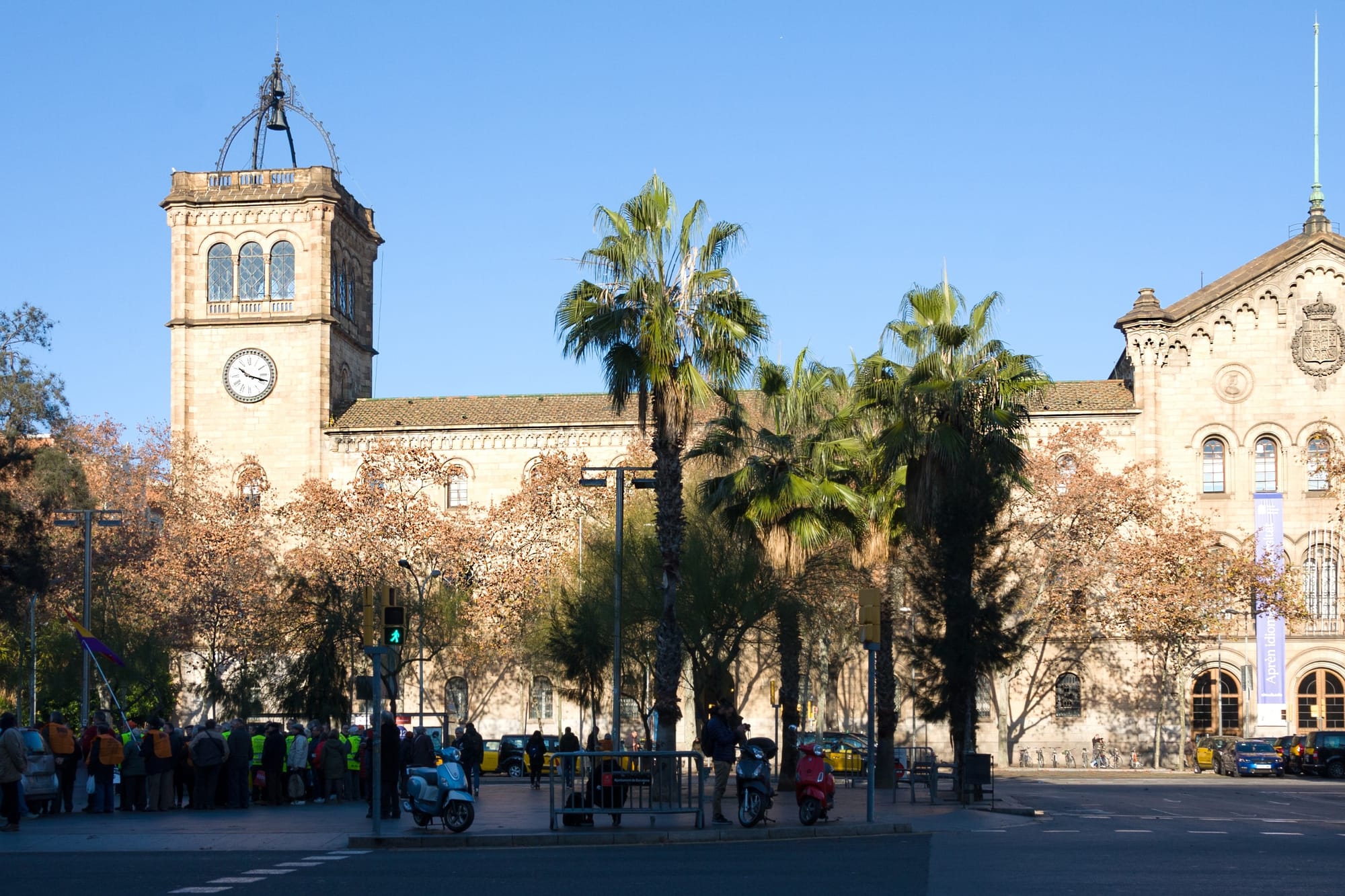
How To Study Abroad In Spain in 2026
by Jessie Chambers 2 years ago
10 MIN READ
This article was reviewed and updated for accuracy on 24th March 2026.
Spain is where everything is more vibrant. The colours are brighter. The conversations are louder. There is a sense of passion at every turn and corner. The energy is contagious. This isn't a place you visit as a tourist and tick off a list. This is a place where you actually live, and it changes you in the best way possible!
Picture this: You're sitting at a cafe in the afternoon sun, watching the streets come alive. Spanish is everywhere. Your classmates are from 12 different countries. You're ordering cafe con leche like it's nothing, understanding half the conversation at the next table, laughing with your new best mates you only met a couple of months ago. Then at night, you are out and about, debating football passionately (even though you don’t really know all the rules), eating tapas until midnight, dancing until sunrise because that's the way Spain demands to be experienced.
Whether you're here to actually become bilingual in Spanish (genuinely useful, 500+ million speakers worldwide), experience Mediterranean beaches and nightlife that's legendary, dance flamenco and eat real paella in the places where people invented it, study serious subjects at world-class universities, or just want to live somewhere that feels genuinely electric - Spain delivers. The universities are globally respected. The cities are super liveable. The lifestyle is brimming with fun. The food will ruin you for everywhere else (seriously, you'll come home disappointed by your local options). And the people? They're passionate, welcoming, and super loveable.
This guide walks you through everything: picking the right Spanish university for you, navigating visas and funding without losing your mind, actually affording it, building real work experience whilst you're there, and setting yourself up to absolutely crush it. We've also got Global Work & Travel's short-course options if you want intensive Spanish immersion and cultural experiences without a full degree commitment. However you envision your study abroad chapter, we’re here to paint the picture.

Why Study in Spain?
You might think studying abroad means you either get an incredible education or you get an incredible lifestyle. Loads of places make you choose. Work hard in class or explore and have fun. Save money or actually live well. Learn the language or enjoy yourself. Spain doesn't work like that. This is the place where you get all of it. World-class universities that are genuinely respected. A lifestyle that's actually incredible. A culture so alive you can't help but get swept up in it.
You'll Become Fluent
Living in Spain forces you to use Spanish daily. Not just in classes. In shops, on buses, with your flat mates, at bars, with your neighbours. Apps get you to a certain level; immersion gets you genuinely fluent. You'll leave speaking at a level that actually impresses people back home.
The Culture Is “Living”
Spain isn't a museum. It's an active, vibrant culture where people actually live passionately. Flamenco isn't a tourist attraction; it's something locals do on Tuesdays. Tapas isn't a gimmick; it's how people actually eat and socialise. Fiestas aren't for tourists; they're how communities celebrate. You're not studying culture; you're living it.
The Lifestyle Works
Mediterranean beaches. Cities that have excellent public transport. Food that's genuinely incredible. A pace of life that's slower than the UK or US but still dynamic. Affordable compared to other Western European countries. You can actually afford to live well whilst studying.
It's Geographically Central
Spain is a gateway to Europe. Weekend trips to Portugal, France, Morocco. Cheap flights to anywhere. You're positioned to explore whilst still having a home base. Plus, you're in the Mediterranean, which means beaches, island trips, and genuinely beautiful countryside all accessible.
Step 1: Choose Your University Degree
Spain's got genuine options. Here's what you're working with:
Public Universities: The Big Names
University of Barcelona, Complutense University of Madrid, University of Salamanca, University of Valencia - these are the powerhouses. Research-focused, academically rigorous, globally recognised. Tuition is relatively affordable for international students. Many offer English-taught courses, particularly at Masters level. Plus, they have proper international student support.
Private Universities: More Boutique Options
IE University, ESADE Business School, and others are renowned for business and economics courses. Smaller class sizes, more intensive support, often more English-taught options. More expensive, but if you want a more personalised experience or are specifically doing business, worth considering.
Specialised Institutions
Spain has schools focused on art, architecture, design and hospitality. If you're studying something creative, these exist and are incredibly tailored.
Thinking About Language
If you're not fluent in Spanish, don't stress. Many universities offer English-taught courses. However, if you can, some Spanish is helpful because you'll encounter Spanish-taught classes, Spanish-language administration, and Spanish-speaking student life. Even basic Spanish makes everything easier. Language school options exist before starting university if you want to prep.
Step 2: Understand the Costs
Spain is more affordable than most Western European countries, but it's worth knowing exactly what you're paying:
Tuition Fees
- Public Universities: €1,000–4,500 per year for international students (depending on courses and uni)
- Private Universities: €5,000–20,000 per year
- Masters: Often more expensive but usually 1-2 years instead of 4
Cost of Living (Monthly)
- Madrid/Barcelona: €1,100–1,500 (rent is the big one; everything else is manageable)
- Valencia/Seville/Granada: €800–1,200 (way more affordable, still great cities)
Additional Costs
- Health insurance: Global Work & Travel cover is a great add-on
- Textbooks and materials: A few hundred euros per semester
- Travel: Budget for exploring Europe and weekend trips (like, der)
Real Talk
Spain is super affordable. Public university tuition is manageable. Living costs are lower than in the UK or US. If you're strategic (living outside city centres, not going out every night, cooking sometimes), you can do this on a reasonable budget. Loads of students work part-time to cover living costs.
Step 3: Apply for Scholarships
If cost is a concern, scholarships exist and are worth pursuing:
Erasmus+ Scholarships
EU's flagship student exchange course. Covers tuition and provides monthly living stipends. If you're from a participating country, this is your best bet. Competitive but absolutely worth applying for.
Spanish Government Scholarships
The Ministry of Education offers scholarships to international students, particularly from Latin American and European countries. They can be competitive, so our recommendation is to start your research early and apply asap.
University Scholarships
Most Spanish universities have their own international student scholarships and grants. Check the international office of your target university. Sometimes there's actual money available.
External Scholarships
Your home country might offer scholarships for studying abroad. British Council, Fulbright (US), DAAD (German), etc, these are worth checking out.
Step 4: Get Your Student Visa Sorted
The Process
- Get your acceptance letter from your university
- Gather documents (passport, acceptance letter, proof of funds, health insurance proof)
- Apply at your nearest Spanish consulate or embassy
- Wait 2-8 weeks (varies by country)
What You Actually Need
- Proof of enrolment (acceptance letter)
- Financial proof (bank statements showing you can support yourself)
- Health insurance (mandatory for student visa)
- Passport with 6 months validity from your intended return date
EU Citizens
If you're from the EU, you usually don't need a visa for stays under 90 days. For longer studies, you need to register with local authorities, but a visa is usually automatic.
Non-EU Citizens
Most countries get visas without an interview. Some do. Check your specific embassy. The process is straightforward; just don't leave it to the last minute.
Top Tip: While we don't offer university placement services or general relocation assistance, our language and working trips include dedicated Trip Coordinators - the crème de la crème of visa support and guidance. Because let's be honest, nobody wants to deal with visa paperwork and life admin solo (total snooze fest)
Accelerated Spanish Learning: Global Work & Travel Short Courses
If you want intensive Spanish immersion without committing to a full degree (everything about Spain is a little touch intense), or you want to combine serious study with cultural exploration, Global Work & Travel's structured trips are genuinely solid. Here's how they work:
What's Common Across All Global Work & Travel Courses
Every course includes a little bit of this and a little bit of that, but listed below is the general gist, with a few exceptions. We essentially handle the framework and planning (logistics), so you can focus on the important stuff - like what outfits to pack. Are you in your dance floor era, or has run club consumed your entire personality?
The Classes
- 20 hours per week minimum of Spanish instruction in small groups (max 8 students)
- Qualified teachers, which means actual instruction and guidance, not language exchange meetups
- Classes designed for all levels, from absolute beginner to advanced
- Structured progression. You're not just chatting; you're genuinely learning grammar, vocabulary, conversation skills
The Accommodation
- Homestays with local families (most immersive, free/cheap meals, authentic integration)
- OR shared flats/student accommodation if you prefer independence (small additional fee and depending on your length of stay)
- All sorted before you arrive. You don't show up confused about where to live
The Activities & Integration
- Local cultural activities built into the trip (museum visits, cooking classes, city tours, flamenco, beach time, etc.)
- Activities designed specifically to help you integrate into the community and practice Spanish in real situations
- Not tourist activities; actual local experiences
The Support
- Dedicated trip coordinator who knows your trip inside out, your location, your goals
- Pre-departure guide explaining everything
- Visa guidance and handling (they don't issue visas but they walk you through the process)
- Airport transfers so you're not confused at arrivals
- Ongoing local team support whilst you're there
- Emergency line if something goes wrong
The Logistics
- Everything is pre-organised. Classes. Accommodation. Activities. Airport pickup.
- Flexibility: book 1 week if you're testing the waters, up to 12 weeks if you want genuine fluency
- Book now, pay later. If life changes, you can move dates or swap locations
- Certificate of completion for your CV
What This Actually Means
You book. You show up. You study. You live. You come home fluent in Spanish. No figuring out where to live, no panicking about finding a language school, no scrambling with your visa application.
Your Location Options
Pick the vibe that matches where you actually want to be. All offer the same quality instruction and support structure; they're just different experiences.
Spanish in Barcelona
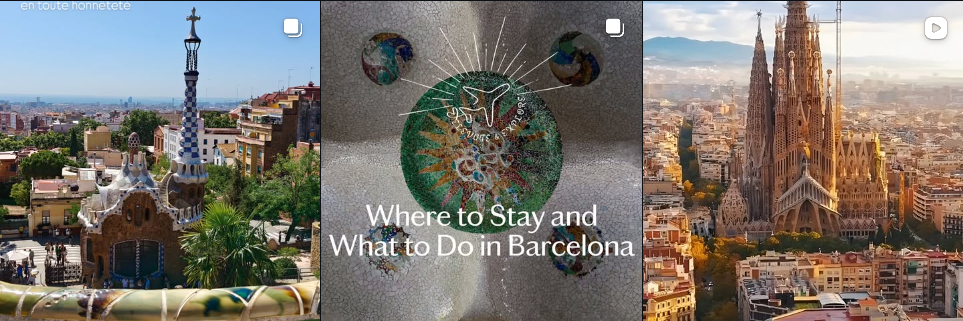
The Vibe: Energy, chaos, creativity, urban intensity. Gaudí's architecture is everywhere. Beaches meeting city centre. Nightlife that doesn't close. This is Spain turned up to 11.
Why Barcelona for Spanish: You're learning in a major European city where things happen. Gothic Quarter medieval streets. Las Ramblas energy. World-class food scene. Catalan culture adds depth (bilingual context). Genuinely vibrant.
Best For: People who want urban energy, constant things to do, world-class food and architecture, nightlife, genuine big-city living
Spanish in Valencia
The Vibe: Mediterranean authenticity without the mega-tourism. Beautiful beaches. Incredible paella (the real version). Modern architecture. Laid-back but culturally alive. This is what Barcelona was before it got overrun.
Why Valencia for Spanish: Big enough to have everything you need but small enough that you actually integrate into the community. You're not lost in millions of tourists. Your barista recognises you. You're genuinely part of the neighbourhood, not visiting it.
Best For: People wanting authentic Mediterranean culture, genuine community integration, beaches mixed with serious learning, the "real Spain" that locals actually live
What Actually Happens When You Study Spanish Abroad
First Few Weeks
You're overwhelmed. Everything's in Spanish, and classes are intense enough that your brain genuinely hurts from trying to process an entirely new sound system and grammar structure all at once - you’ll be using qué? A fair bit. Then around week two or three, something clicks. You understand a full sentence without translating it in your head first. You form a sentence without overthinking every verb conjugation and grammatical rule. Your brain stops treating Spanish as code and starts treating it as actual language.
Months Two-Three
You're actually conversing now, not perfectly, but genuinely. You understand your neighbours without them repeating themselves, and you order food confidently without pointing at the menu in confusion. You're making actual mates who only speak Spanish, people you're hanging out with because you want to, not because you have to for class. Your confidence skyrockets because you're proving to yourself that this is actually working. You start dreaming in Spanish. You catch yourself thinking in Spanish before you even realize it's happened.
Month Four and Beyond
You're fluent now. You're correcting other people's grammar without meaning to (ha, you’ve become “that guy”). You're translating between Spanish and English speakers without breaking a sweat. You're actually bilingual, and your mates back home ask how you became fluent so fast, and honestly, you don't even have a good answer because it just happened somewhere between the tapas bars and late-night conversations.
The Friendship Thing
You'll meet people from everywhere: your classmates, your flatmates, Spanish locals, people you bump into at cafes and neighbourhood spots. These friendships often last for years after the course ends. You'll have a genuine international network from a single trip, people you'll stay connected to on the other side of the world. Let’s get international, baby!
Final Thoughts
Studying abroad in Spain isn't just about ticking a box. It's about building genuine fluency in a language spoken by 500+ million people. It's about cultural understanding that goes beyond guidebooks and tourist traps, because that’s mid. It's about confidence that comes from navigating a completely different country and not just surviving it, but actually thriving in it. It's about an international network that lasts years. It's about memories that genuinely matter.
Most students who study in Spain end up staying longer than planned or coming back repeatedly. The experience changes you in ways you can't predict. The colours really are brighter. The conversations really are louder. And you really do come home to a different person.
One of the best ways to get the full immersion is to opt for a language study before you even get into the major studies (if that’s the route you take). That's where Global Work & Travel comes in. Our intensive Spanish courses give you structured classes, proper accommodation, cultural activities built in, visa guidance, airport transfers, and ongoing local support. No scrambling around trying to find a school or figure out logistics.
Spain is waiting. The universities, the cities, the beaches, the culture, the mates you'll make, the fluency you'll build. Start with Global Work & Travel, and arrive ready to actually make the most of it.

We also publish extensive working holiday visa guides for United States, Canada, Australia, United Kingdom, Germany, France, Spain, Italy, Ireland, Korea, Argentina, Chile, Hong Kong, Estonia, Netherlands, Austria, Slovakia, Portugal, Peru, Greece, Singapore, Malaysia, Taiwan, Mongolia, New Zealand, Ecuador, Brazil and more coming.

Jessie Chambers
Jessie is a globetrotter and storyteller behind the Global Work & Travel blog, sharing tips, tales, and insights from cities to remote escapes, informed by the collective experience and real-world knowledge of teams across our business.